
I got to step onto the enormous liner being used to rehabilitate the Trappies Bulk Sewer, getting a close-up look at the work taking place beneath Strand and the technology being used to give the ageing infrastructure a new lease on life.
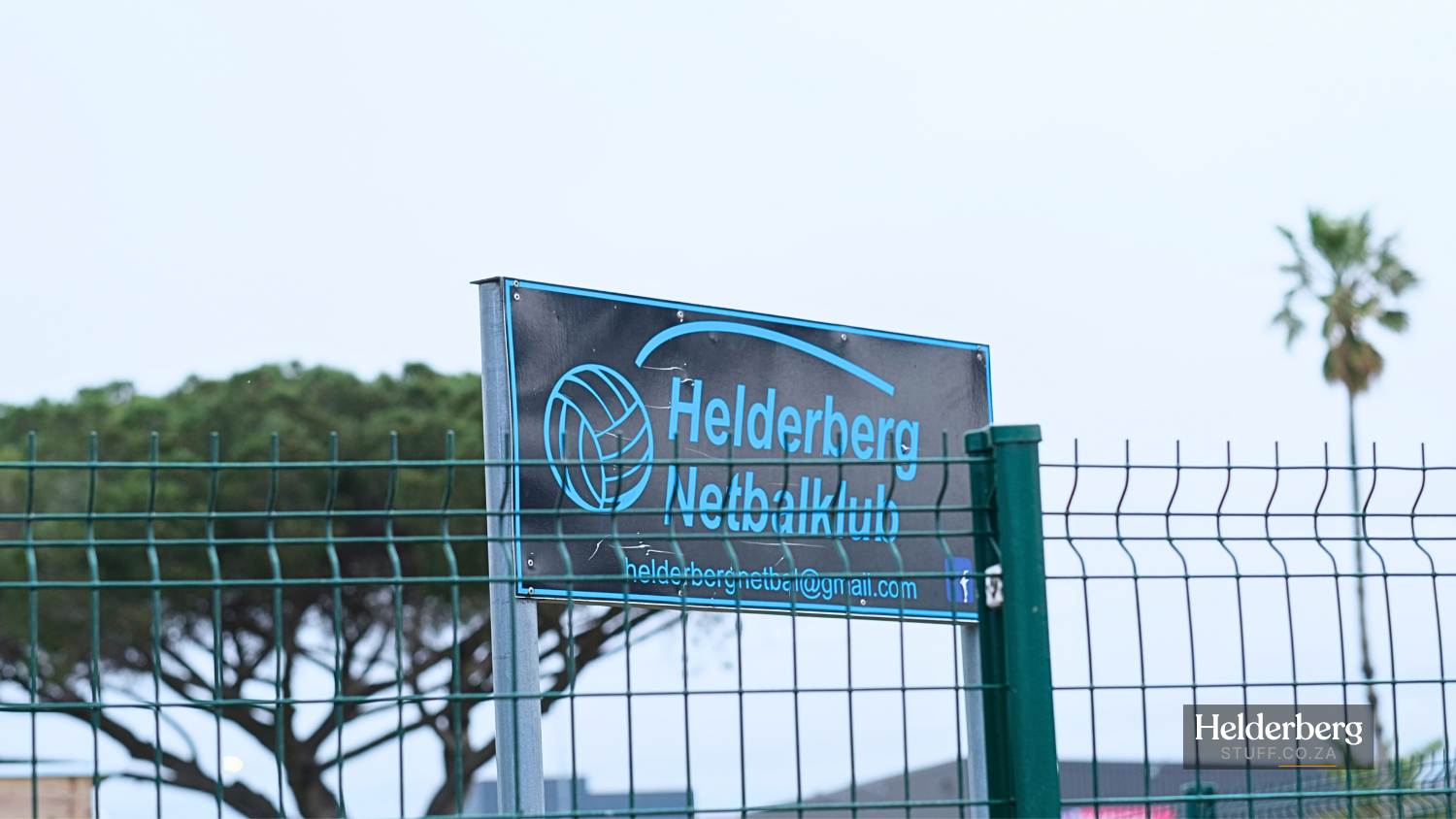
When I visited the old Helderberg Netball Club in Strand, the site being used as a base of operations for the Trappies Bulk Sewer rehabilitation project, the team was busy with the work and equipment and materials were on site as the rehabilitation progresses.
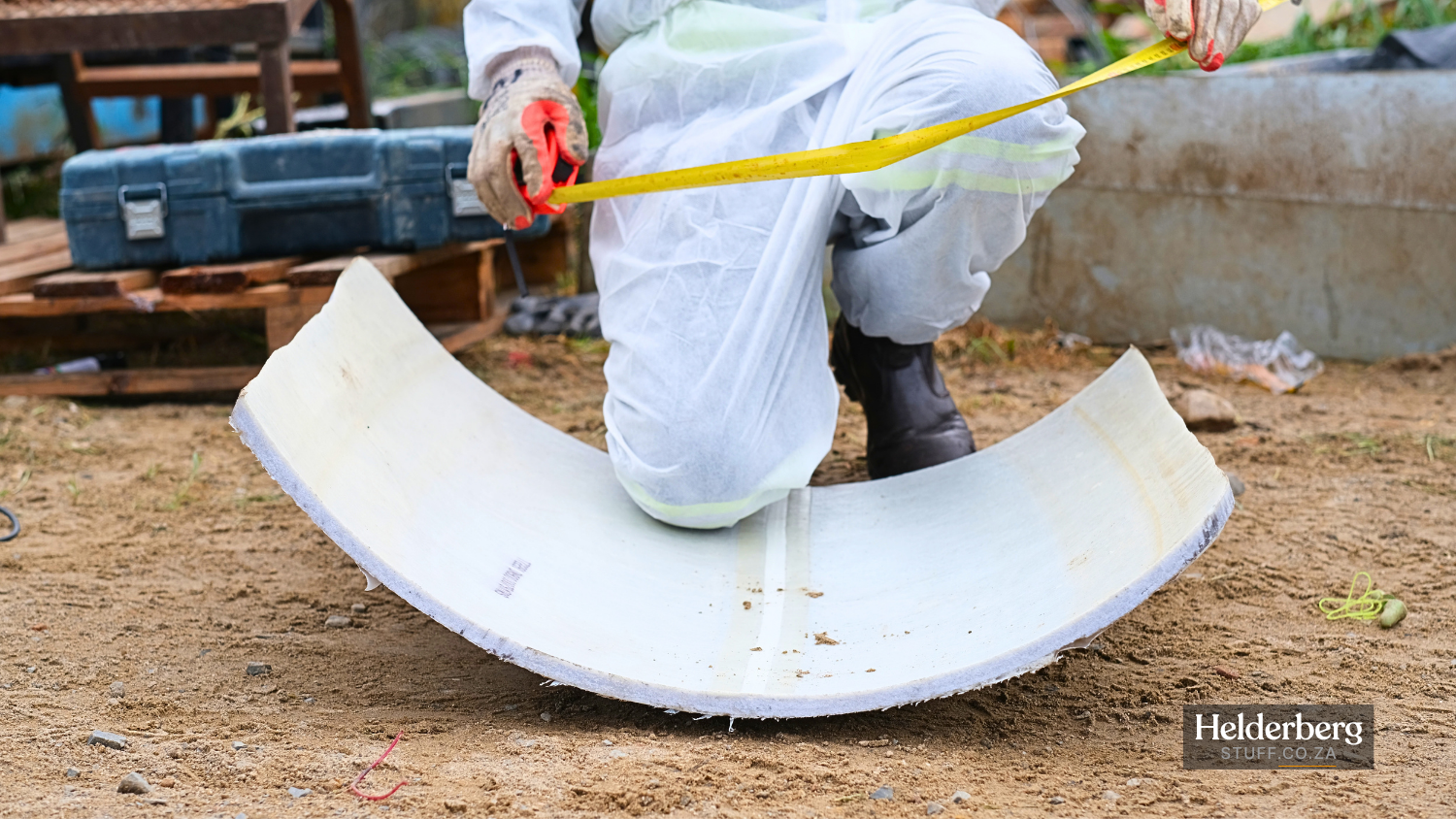
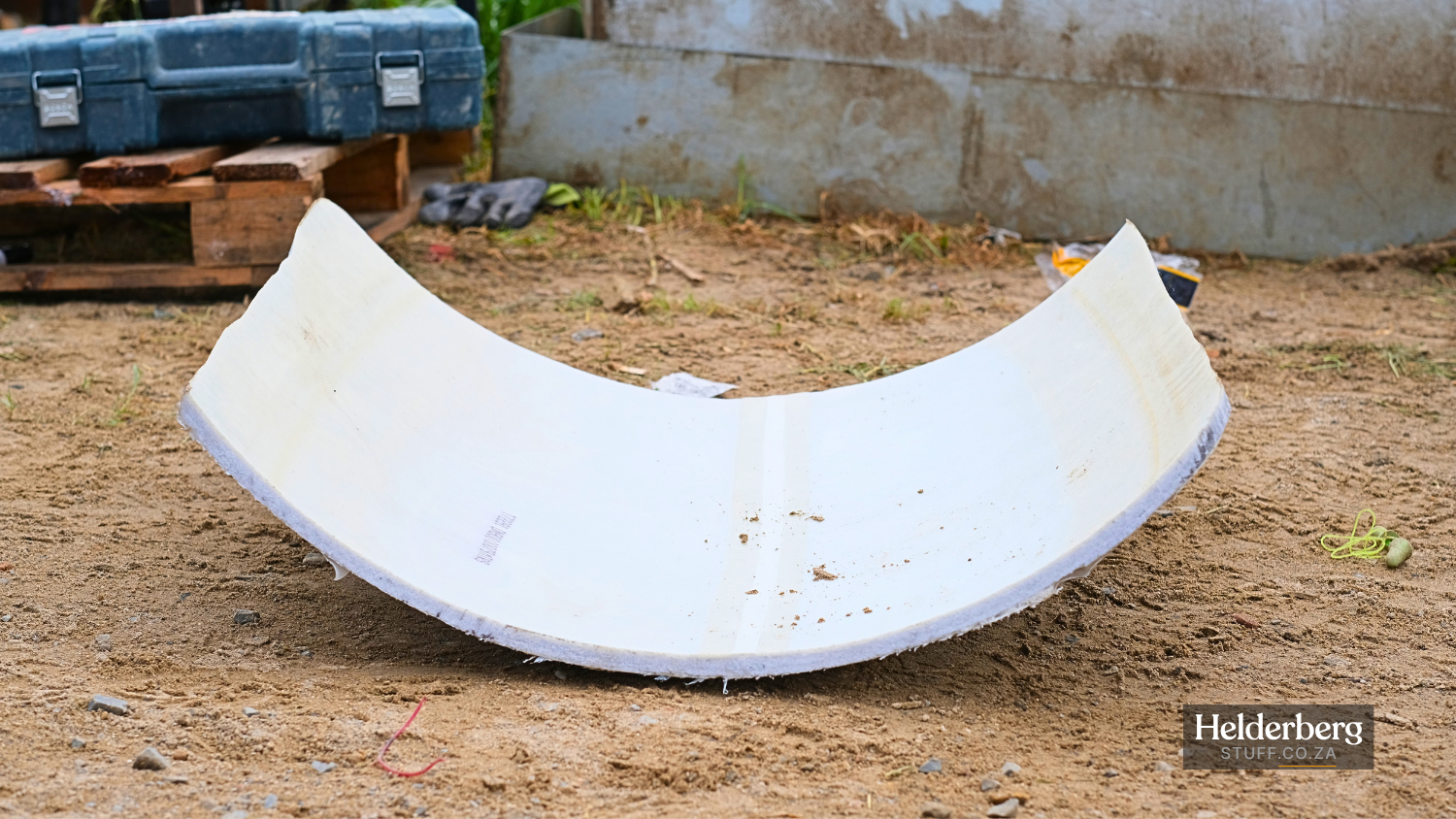
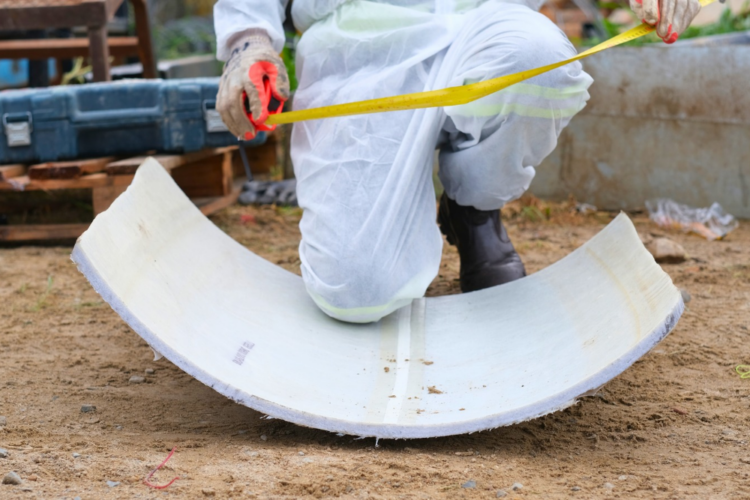
The most striking thing was the enormous section of liner being used for the project. Seeing it at the site gave me a much better sense of its scale than any photograph could, and I was even able to step onto it. There was no visible impact on the material from doing so.
A pipe inside the existing pipe
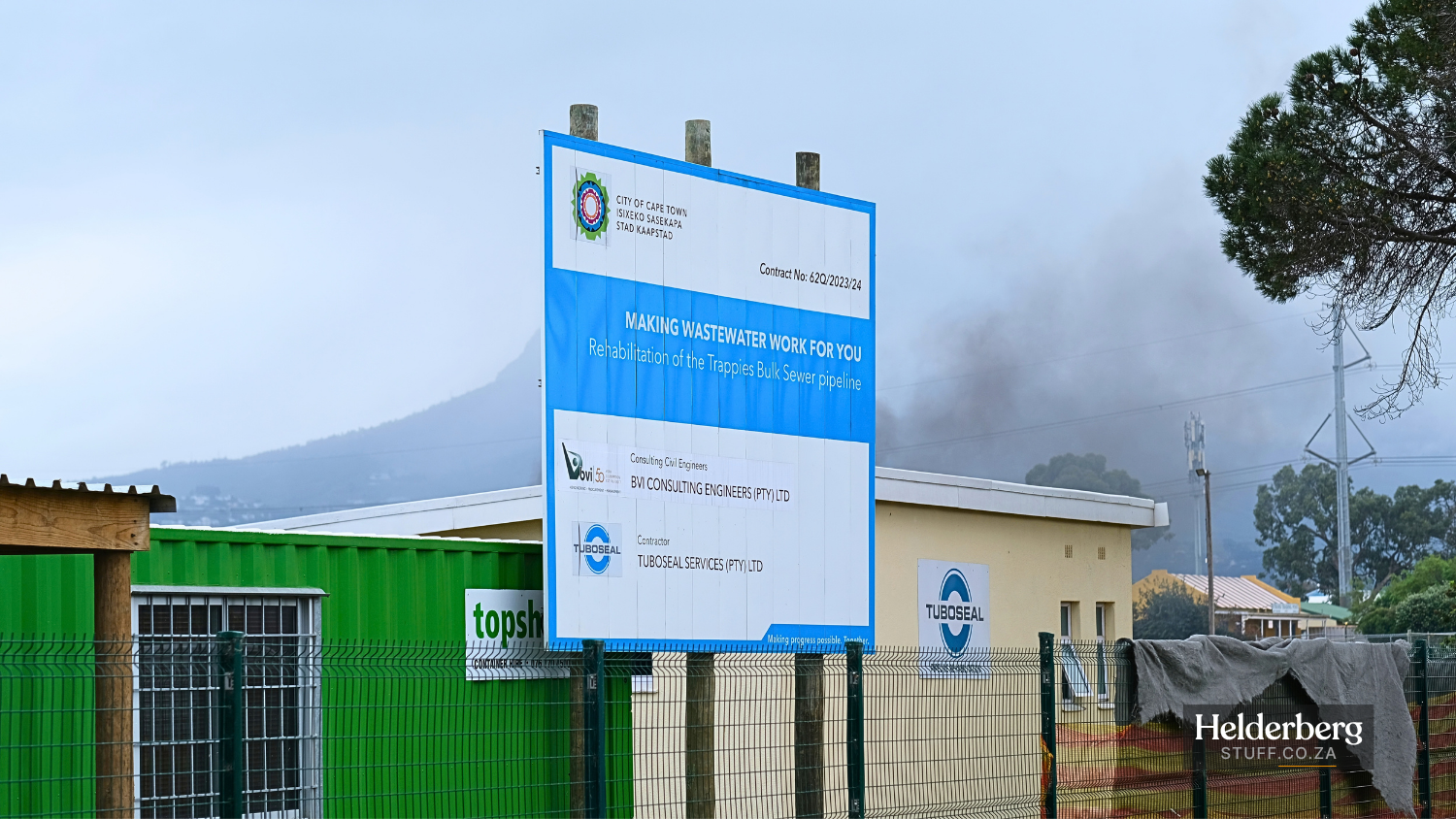
The Trappies Bulk Sewer is a 900 mm diameter bulk sewer that has deteriorated over time, with sections having reached the end of their serviceable life. The current rehabilitation covers a 2.3 km section from the Main Road and De Villiers Street intersection towards the Lourens River Sewer Pump Station, including sections along De Villiers Street, Joubert Street and Fagan Street.
Instead of excavating the entire route and replacing the existing pipeline, the City of Cape Town is using a trenchless rehabilitation method to create a new structural pipe inside the existing one.
The process is known as cured-in-place pipe, or CIPP. The existing sewer is cleaned and inspected before a resin-impregnated liner is inserted into the old pipeline and expanded against its inside walls. It is then cured, creating a new continuous structural lining within the existing sewer.
The advantage is that a major underground pipeline can be rehabilitated without having to dig up the entire route, something that would cause considerably more disruption in an established part of Strand.
The people behind the project
The City of Cape Town is the client, with BVI Consulting Engineers (Pty) Ltd appointed as the consulting civil engineer and Tuboseal Services (Pty) Ltd as the contractor.
Tuboseal specialises in trenchless pipeline rehabilitation and CIPP technology, allowing ageing underground pipelines to be rehabilitated without conventional excavation.
The liner at the Helderberg Netball Club made the scale of the work particularly apparent. It is one thing to know that a 900 mm sewer is being rehabilitated underground, and another to stand on the material that will ultimately form part of that infrastructure.
Tackling the bulk of the problem
The rehabilitation is an important part of addressing the sewer infrastructure problems affecting Strand and the surrounding area. The upgraded section is expected to restore the bulk sewer to better working condition and reduce the failures and overflows associated with the deteriorating infrastructure.
But the engineers working on the project also pointed out that infrastructure is only part of the problem.
They have encountered all sorts of material entering the sewer system that should not be there, including construction material and other abrasive materials. These can damage or obstruct the network and create problems even after the infrastructure itself has been upgraded.
That means user behaviour will remain important. Better infrastructure can address major weaknesses in the network, but what people put into that network can still determine how well it performs.
Part of a wider Helderberg upgrade
The Trappies rehabilitation forms part of a much broader programme of investment in the Helderberg’s sewer infrastructure.
This includes the separate Gordon’s Bay Pump Station and Rising Main project, which is intended to divert sewage away from the Trappies system and reduce pressure on the network. That project also includes a crossing beneath Broadway Boulevard.
Broadway is therefore part of the wider Helderberg sewer upgrade, rather than the 2.3 km Trappies CIPP rehabilitation itself.
A longer life for the infrastructure
The Trappies project is expected to extend the useful life of the rehabilitated infrastructure by more than 50 years.
The work is now around 50% complete, with completion scheduled for October 2027.
For now, the scale of the project is easy to see at the old Helderberg Netball Club, where the equipment and liner offer a rare glimpse of infrastructure that will eventually be hidden beneath Strand.
Standing on the liner, it was difficult to picture it eventually becoming part of a sewer beneath the town. Once the work is finished, most people will never see it at all. And perhaps that is exactly what good infrastructure is supposed to become: something that quietly works in the background.