
Faircape Health Somerset West has expanded its rehabilitation facilities, adding specialised therapy spaces, new equipment and a hydrotherapy pool in development.
When I first reached out to Faircape Health Somerset West about its expanded rehabilitation facilities, I was interested in the physical changes to the facility. What I found in the response was a much broader explanation of what those changes are intended to achieve.
For the team at Faircape Health Institute Somerset West’s Heritage Manor, the expansion is ultimately about what happens after a patient has been treated in an acute hospital but is not yet ready to manage everyday life independently.
A person may be medically stable enough to leave hospital while still being unable to walk safely, dress themselves, prepare a meal, communicate effectively or manage medication without assistance.
That gap between being medically stable and being ready to return home is where subacute rehabilitation comes in.
The part of recovery that happens after hospital
The facility describes its role as providing a bridge between acute hospital treatment and a safe return to everyday life.
That can involve medical oversight, nursing and caregiving alongside a range of rehabilitation disciplines. The aim is not simply to keep someone in care for longer, but to determine what level of support they actually need and work towards the greatest possible level of independence.
Some patients may be able to return home with outpatient or home-based support. Others may still require daily medical review, around-the-clock nursing, coordinated therapy and a structured environment in which to recover.
That distinction is important because rehabilitation is not the same for every patient.
For one person, progress might mean walking independently after a stroke. For another, it might mean learning to use a crutch, safely taking a shower or transferring into a wheelchair. It can also involve rebuilding communication, swallowing safely or regaining the confidence to return home.
More space for rehabilitation
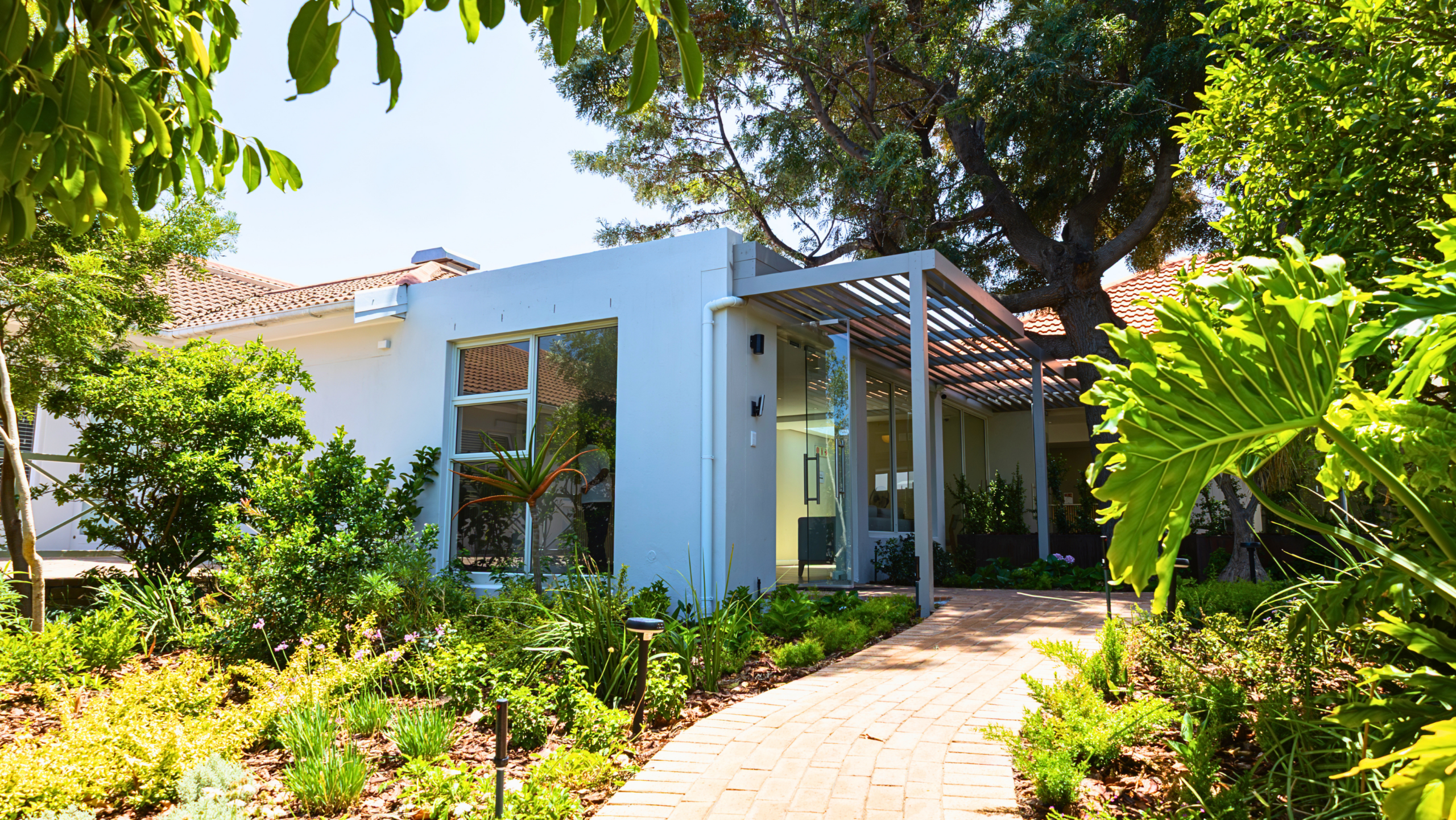
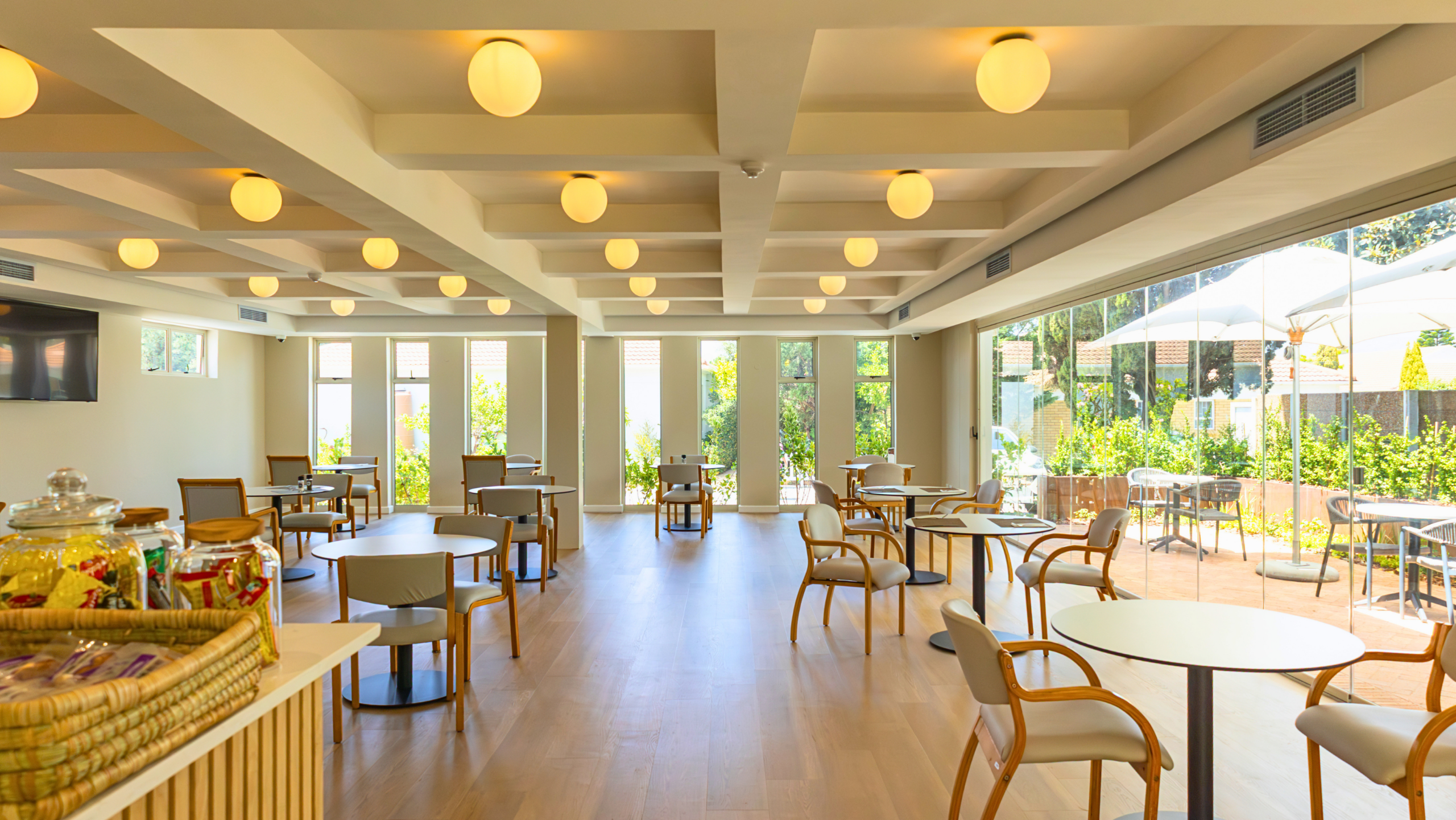
The Somerset West facility has been extensively modernised, with the rehabilitation environment designed around different aspects of recovery.
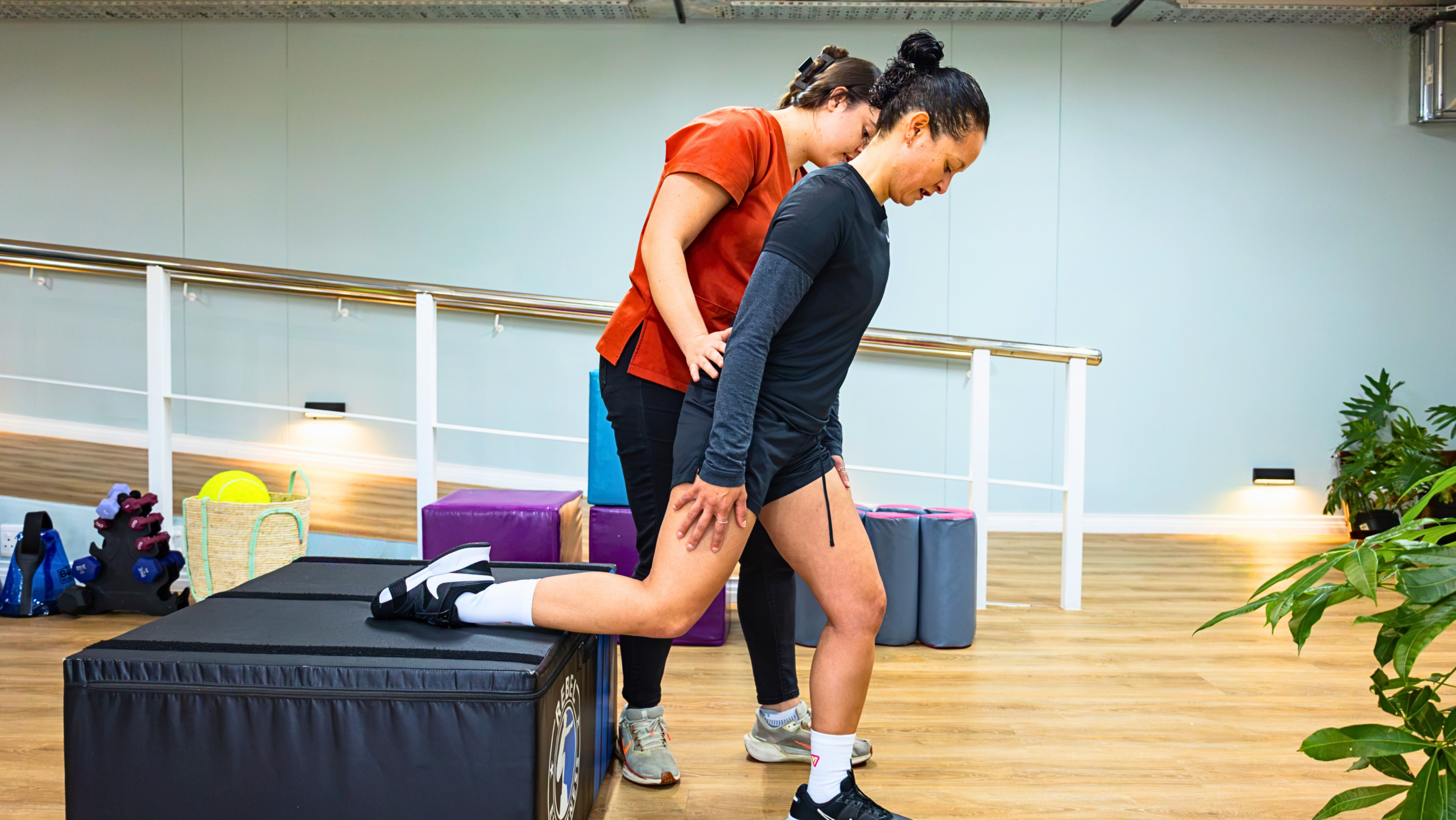
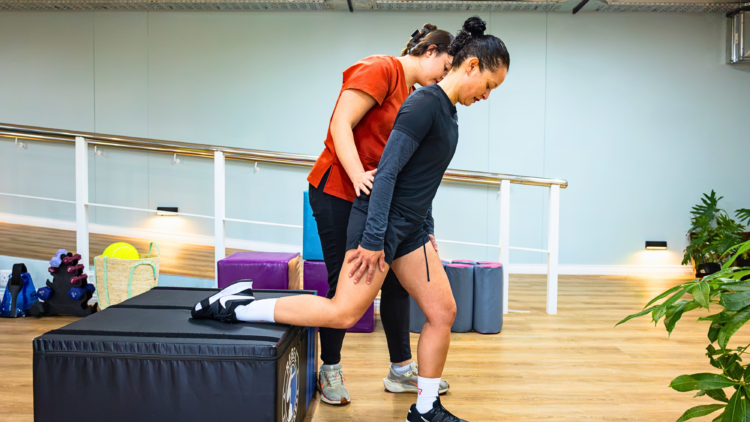
Patients now have access to spacious physiotherapy and occupational therapy gyms, dedicated neurological and orthopaedic rehabilitation areas, cognitive rehabilitation and hand-therapy spaces, specialised equipment and an Activities of Daily Living kitchen.
That kitchen is particularly relevant to the idea behind the facility. Rehabilitation is not only about what someone can accomplish during a therapy session. It is also about whether they can manage the ordinary tasks that await them once they leave.
Occupational therapy can therefore involve practising personal care, dressing, preparing food, completing cognitive tasks and using assistive devices safely.
The wider team can include physiotherapists, occupational therapists, speech therapists, dietitians, social workers, psychologists and neuropsychologists, alongside doctors, nurses, carers, pharmacy services and discharge planning.
The facility is also in the process of adding a hydrotherapy pool. The use of water can provide support and resistance for movement, strengthening and balance work, particularly for patients who may find full weight-bearing exercise difficult or painful.
A healthcare environment that feels less clinical
The expansion has also gone beyond therapy equipment.
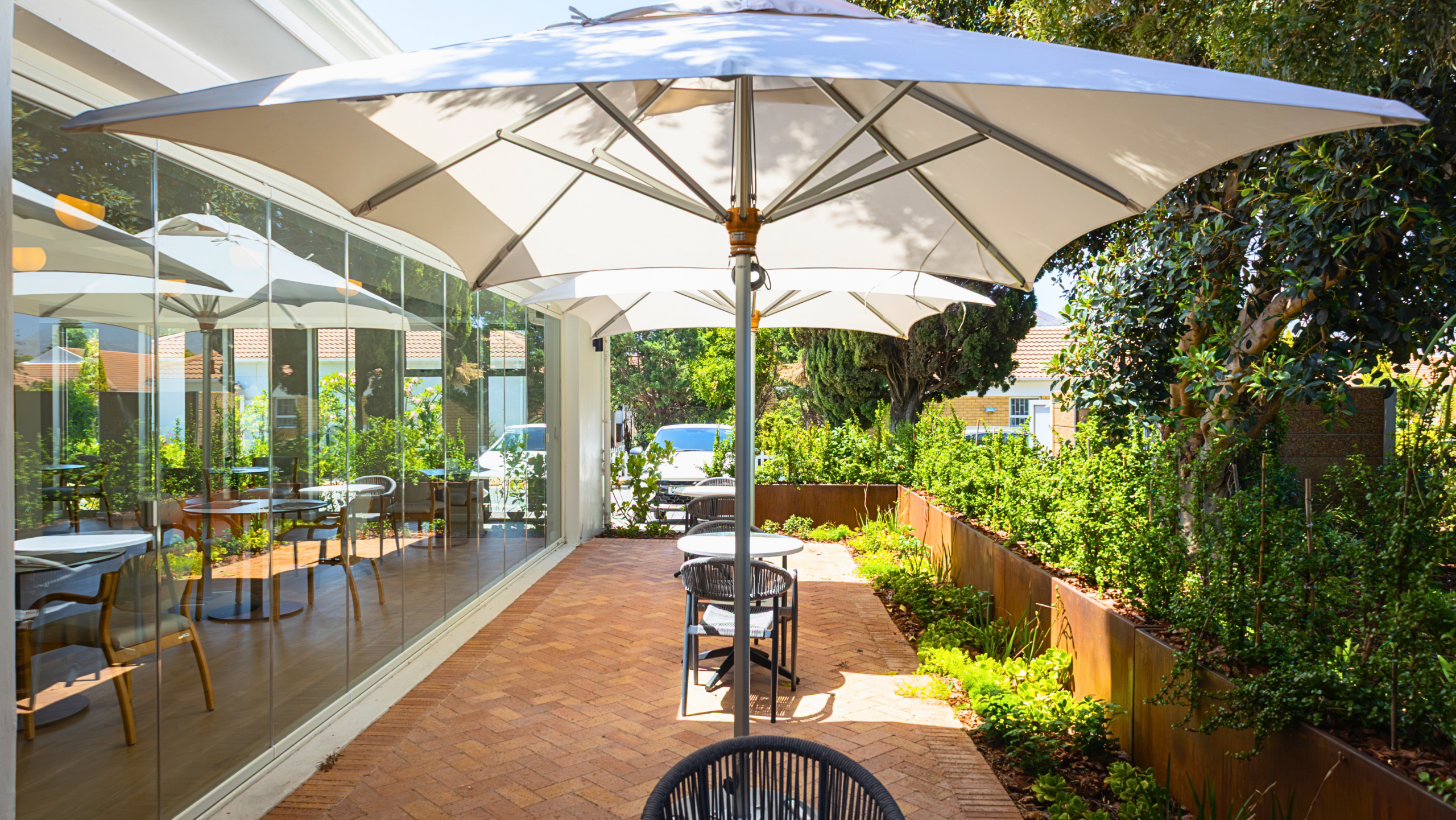
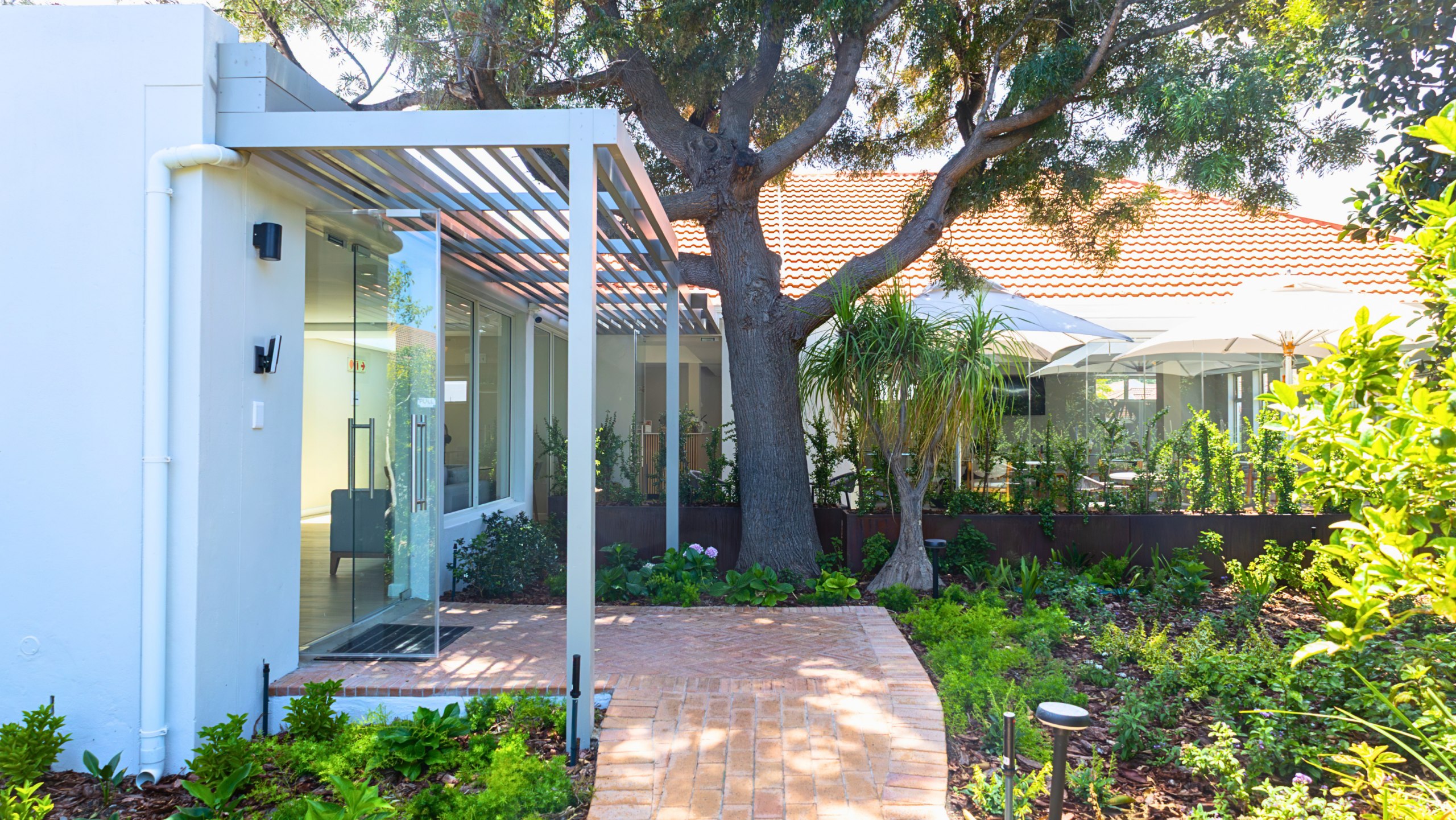
The facility offers private accommodation, communal areas, outdoor rehabilitation spaces, a private family meeting room and an on-site pharmacy.
There is a deliberate effort to make the environment feel less institutional, with the facility describing the setting as modern, calm and spacious.
That matters because rehabilitation can be an unusually vulnerable period for both patients and their families.
A patient is often dealing with a sudden loss of independence while relatives are trying to understand what recovery will look like and whether their loved one will eventually be able to return home.
Family involvement is therefore part of the process. Families need to understand progress, prognosis, safety and what support may be required after discharge.
Recovery is a team effort
One of the strongest themes in the response I received was the importance of the different disciplines working together rather than treating rehabilitation as a series of separate appointments.
Every patient has an individualised care and recovery plan, with the medical team providing daily oversight and the wider team adjusting the plan as the patient’s medical and functional needs change.
The facility says this integrated approach is particularly important because a patient’s needs can change during recovery.
A doctor may be monitoring a medical issue while a physiotherapist is working on mobility, an occupational therapist is assessing daily activities and a speech therapist is addressing communication or swallowing.
The common question is what all of that work will mean when the patient leaves.
The measure of progress is often very ordinary
That is perhaps what makes rehabilitation different from the dramatic moments associated with acute medical care.
There may not be a single moment when everything changes.
Instead, progress can be measured in ordinary things: getting dressed without assistance, walking to the bathroom, making a cup of tea or having enough confidence to move around the home safely.
Faircape Health says it has seen patients make significant progress through this approach.
One recent Somerset West patient arrived following a significant stroke with severe mobility and balance limitations and later progressed to confident mobility following coordinated medical, nursing and interdisciplinary rehabilitation.
Another family has publicly described the improvement their loved one experienced following physiotherapy, occupational therapy and speech therapy after a stroke, while also highlighting the encouragement and compassion provided by the team.
The expansion is also creating opportunities
The growth of the Somerset West service has had an effect beyond the patients themselves.
The expansion has created employment opportunities across clinical and support functions, including doctors, nurses, therapists, social workers and carers, as well as reception, administration, catering, hospitality, housekeeping and operational roles.
Faircape Health also says it has focused on developing people already working within the organisation, identifying employees who wanted to grow and supporting them through training, competency development and promotion.
The intention, according to the organisation, is to create careers rather than simply jobs.
There is also a community element outside formal healthcare. Volunteer participation gives village residents and community members opportunities to spend time with healthcare residents, while pet visits and pet-therapy activities provide companionship and support emotional wellbeing.
A wider continuum of care in Somerset West
The rehabilitation expansion is part of a broader healthcare presence in Somerset West.
Faircape says its second flagship long-term care facility, Bridgewater Manor, is currently undergoing further expansion and modernisation, with large en-suite rooms and additional residential areas.
The two facilities are intended to form part of a broader local continuum of care, spanning rehabilitation and short-term recovery through to maintenance care, dementia care, palliative support and long-term healthcare.
For families in the Helderberg, the significance is fairly practical.
When someone suffers a stroke, undergoes major surgery or experiences another health event that affects their independence, having rehabilitation available closer to home means relatives can remain involved without necessarily having to travel into Cape Town.
For me, that is what makes this development interesting. It is not simply about bigger rehabilitation spaces, new equipment or another upgraded healthcare facility. It is about what happens in between leaving hospital and being able to live independently again.
And sometimes the clearest measure of that progress is a very ordinary thing: someone being able to do something for themselves that they could not do a few weeks earlier.