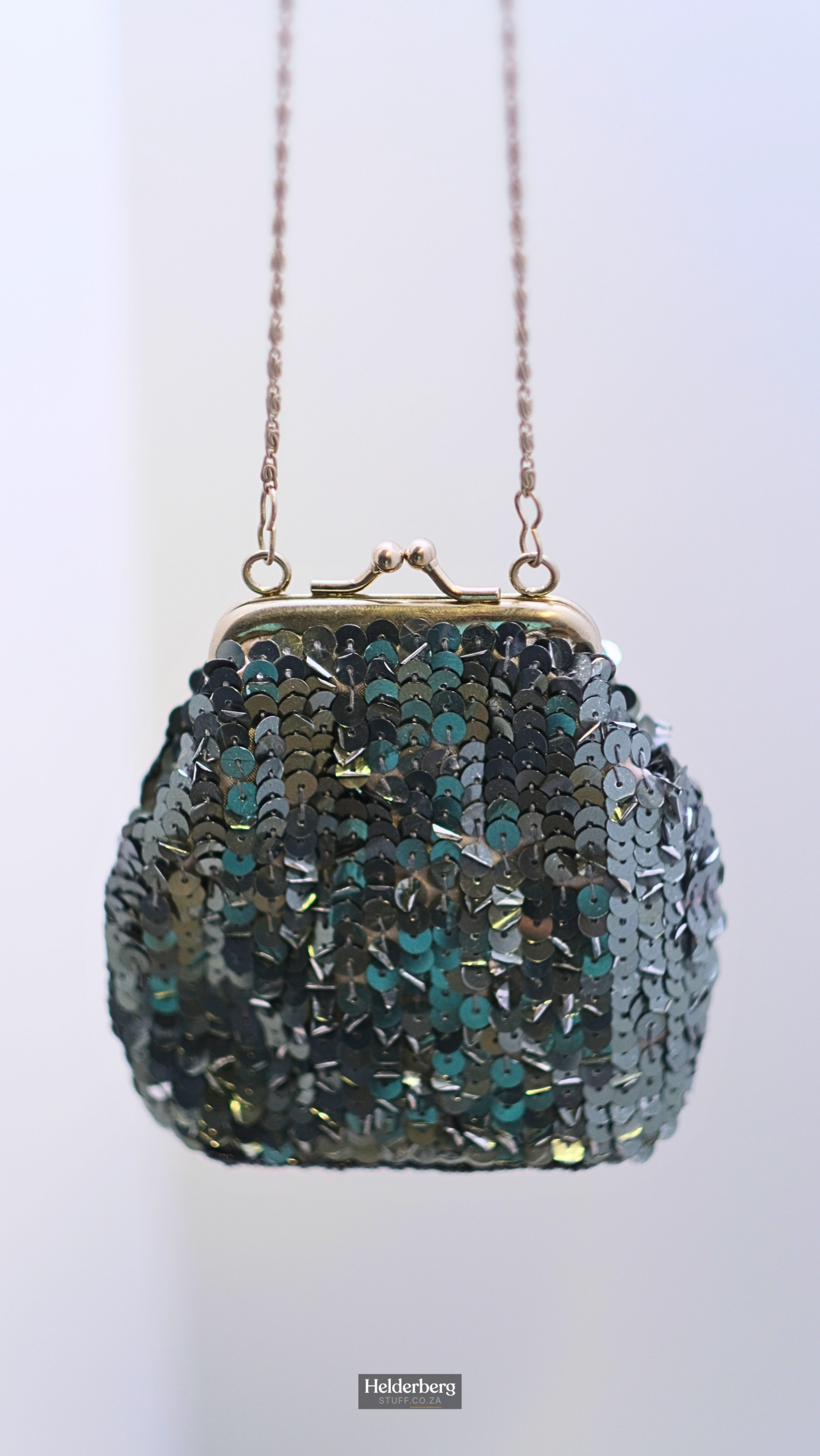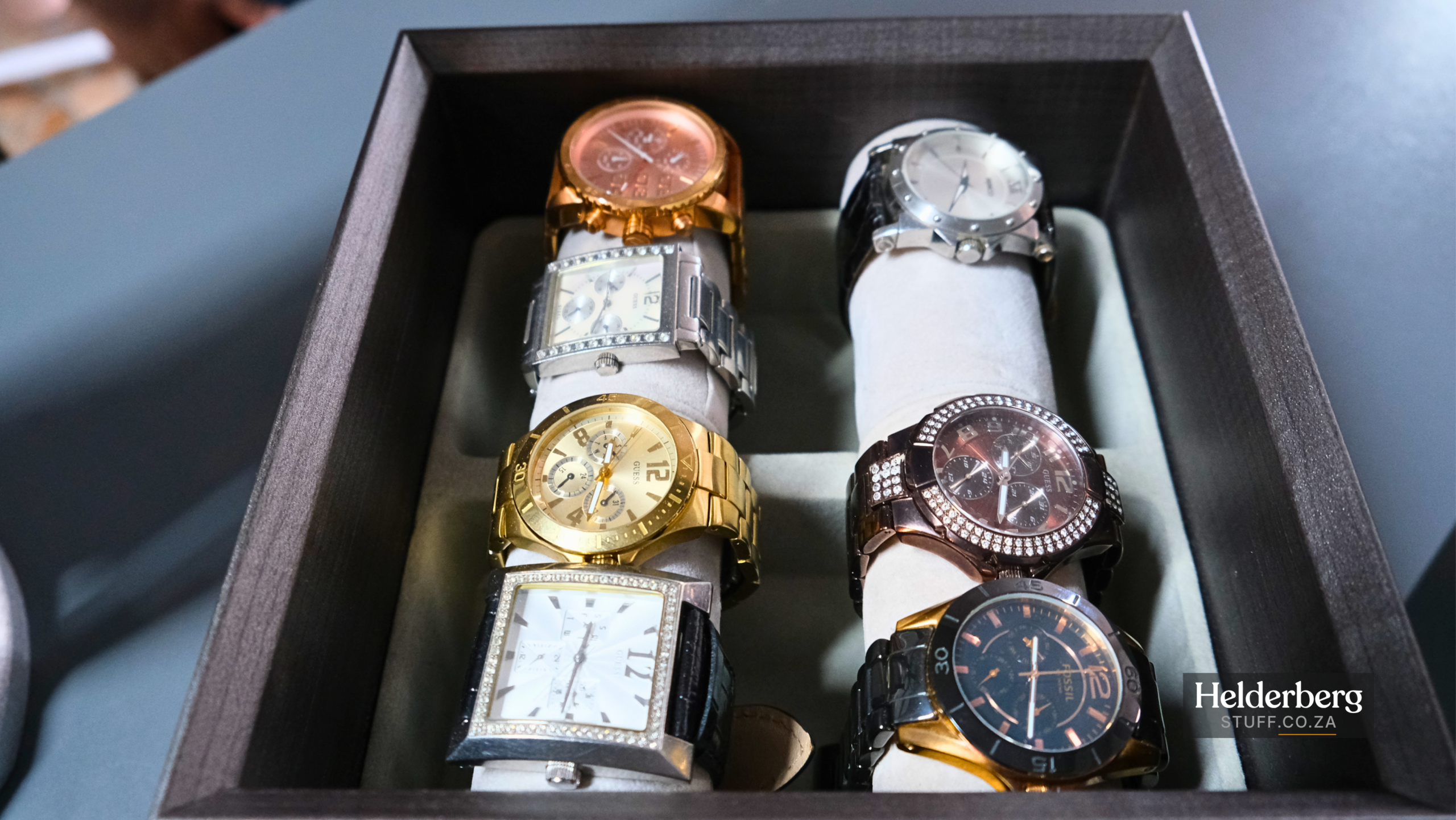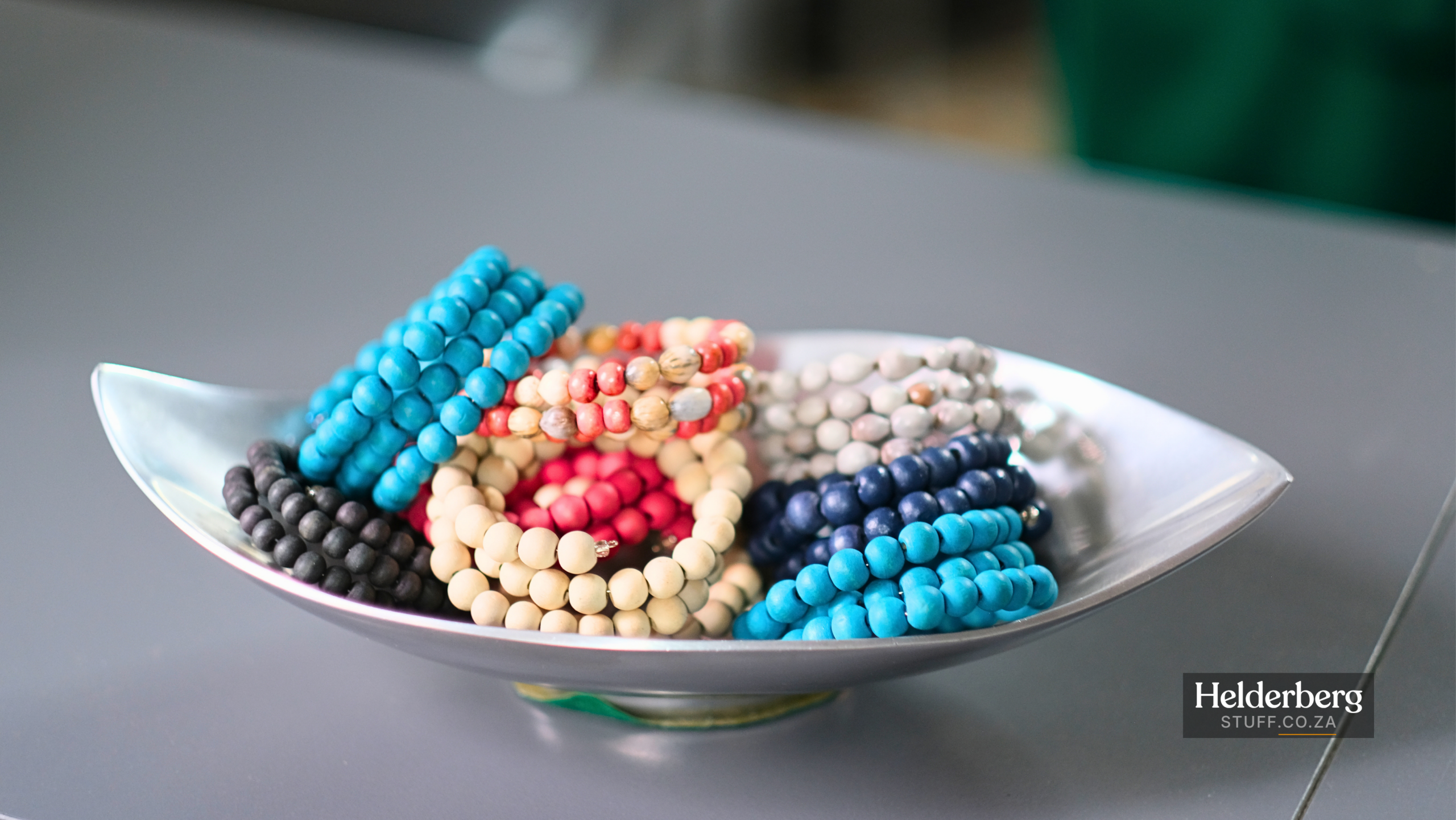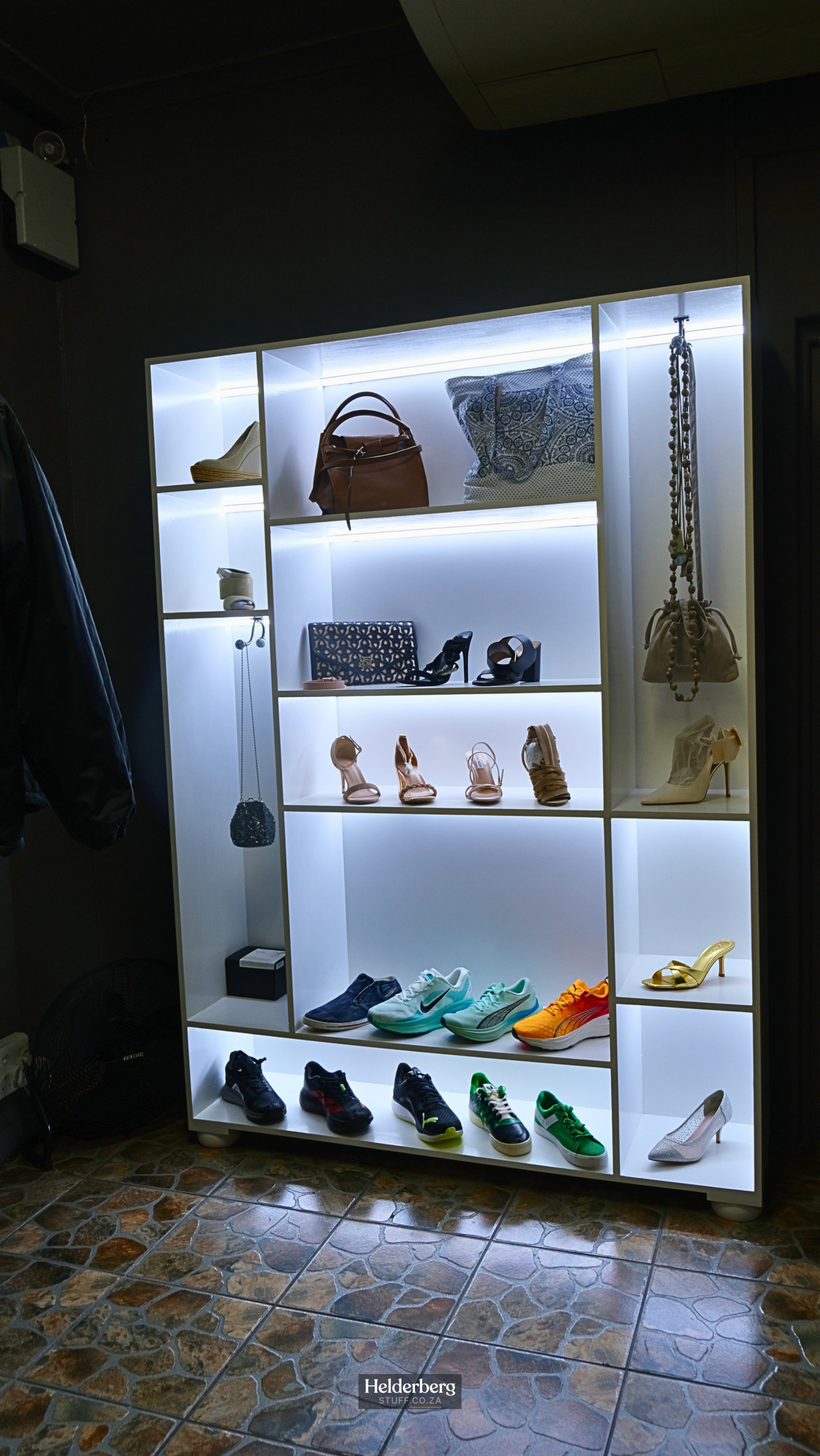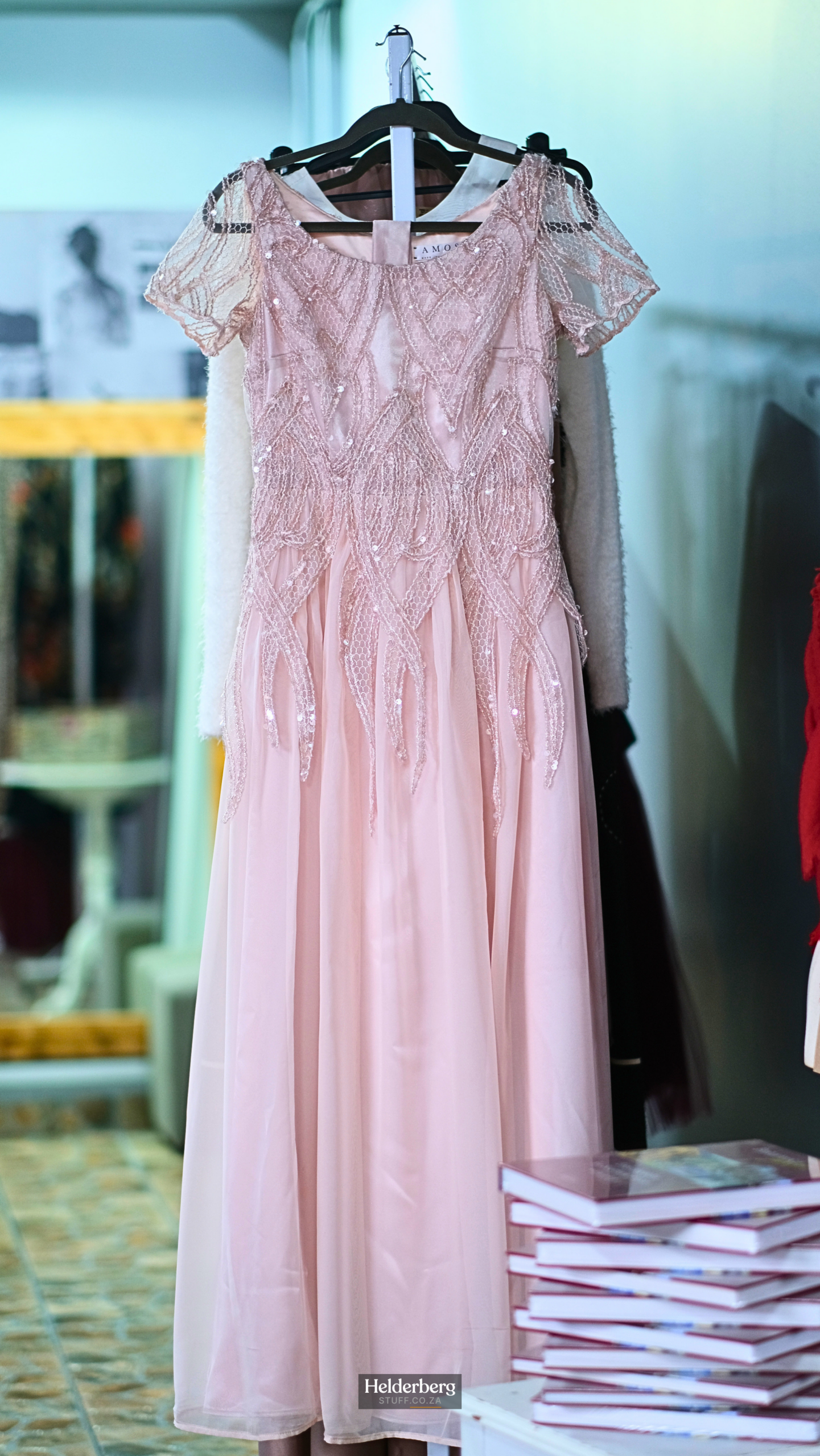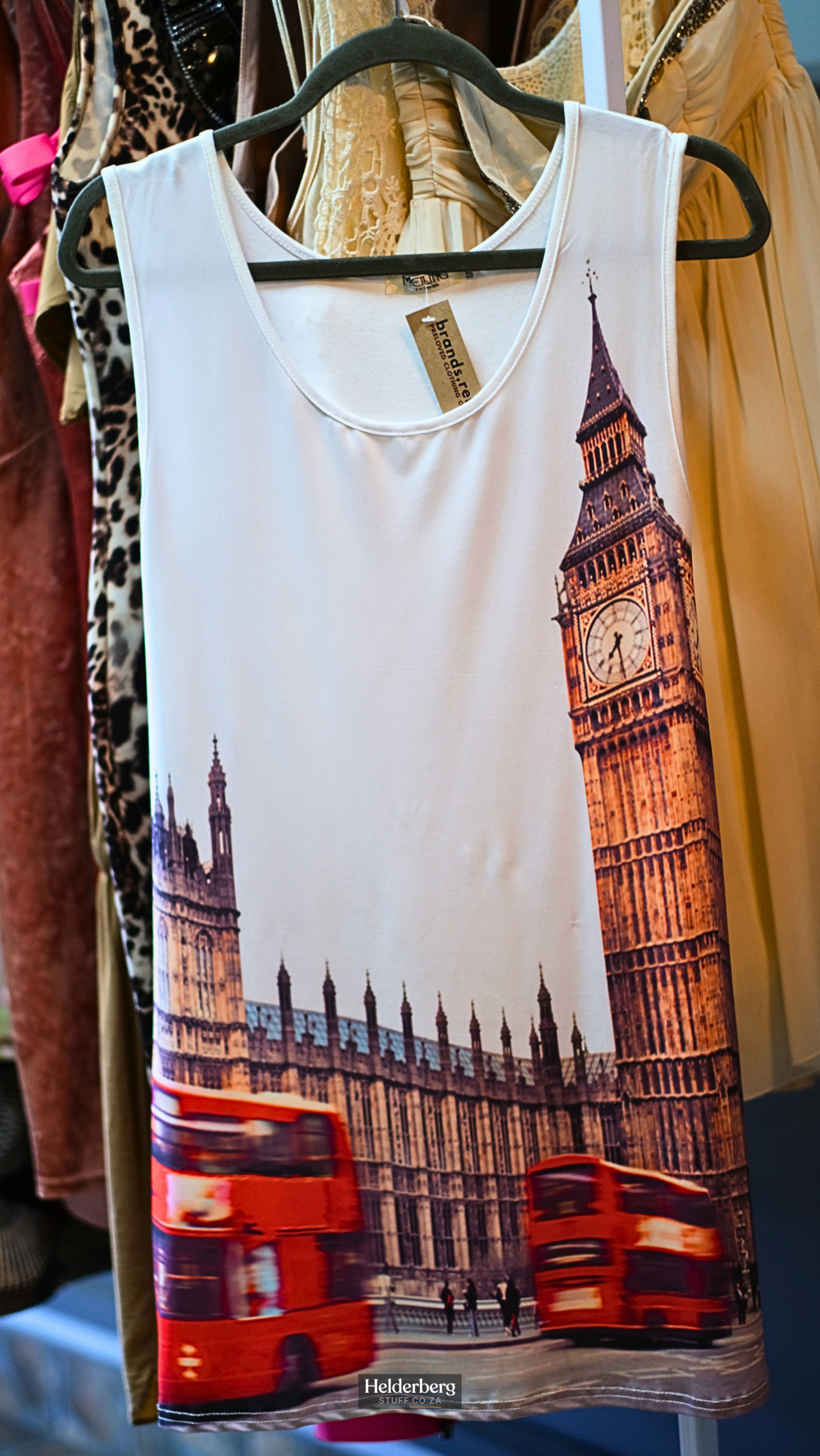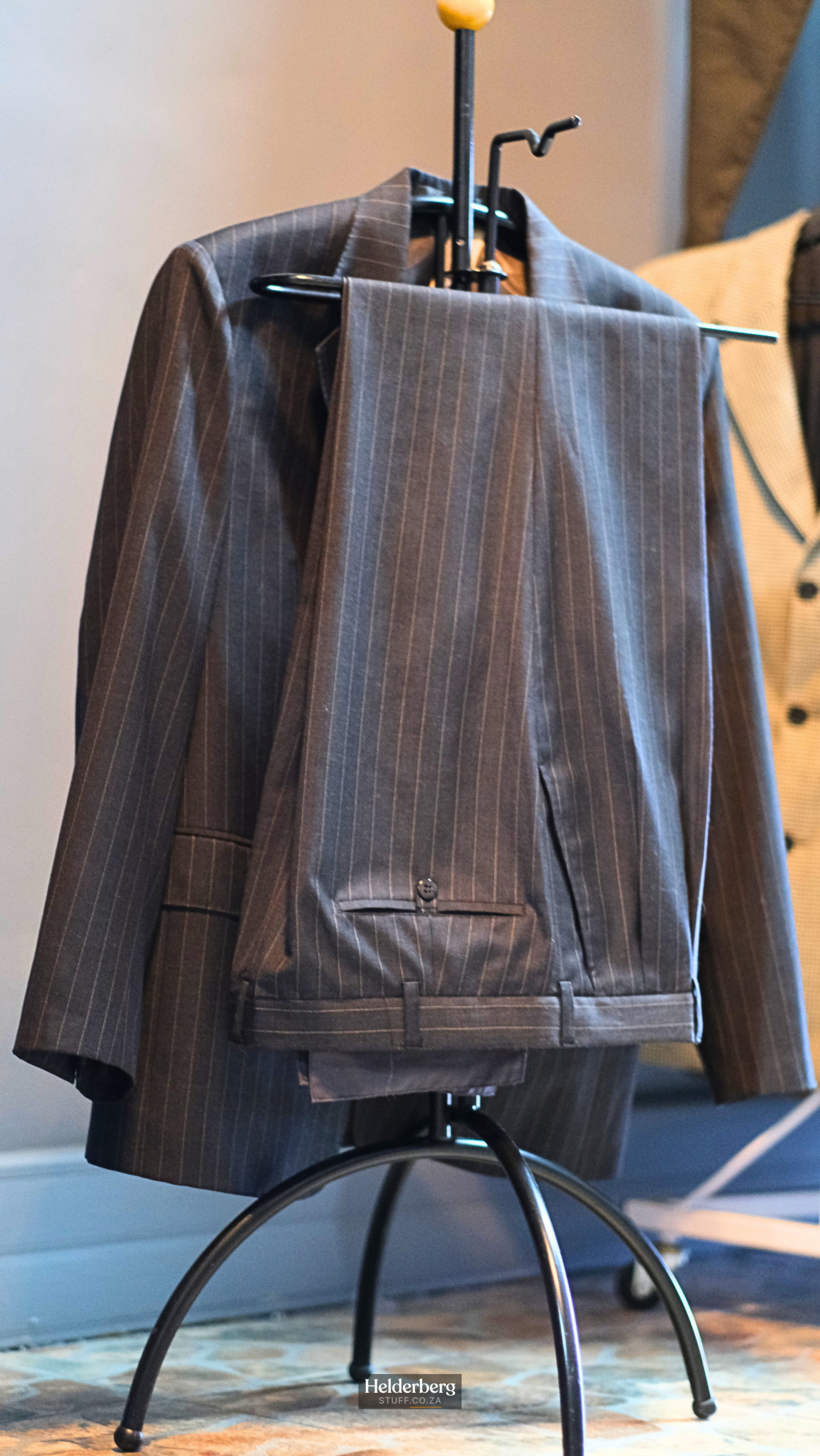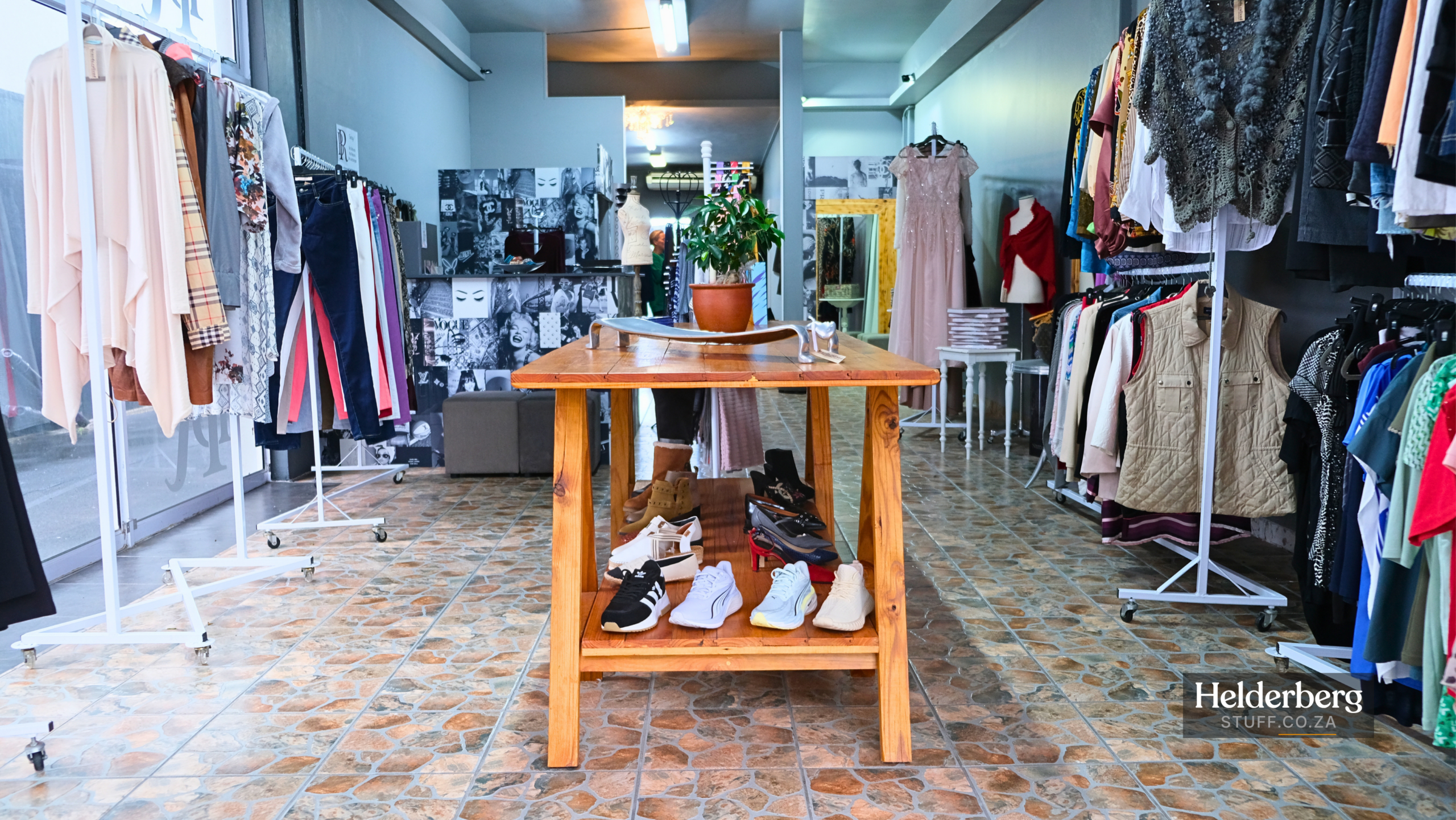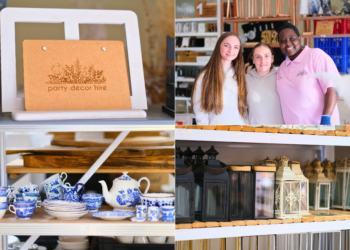


Tucked away at 11 Anderson Street, Strand, Brands Relived offers something rather different from the usual second-hand shop, with carefully selected pre-loved clothing ranging from Woolworths and Country Road to Gucci and Louis Vuitton.
There are shops you walk past every day without ever really knowing what is inside them.
That was the case for me with Brands Relived at 11 Anderson Street in Strand. I knew the shop was there, but it was only when I stepped inside and started looking through the rails that I realised it was something quite different from the usual second-hand or charity shop.
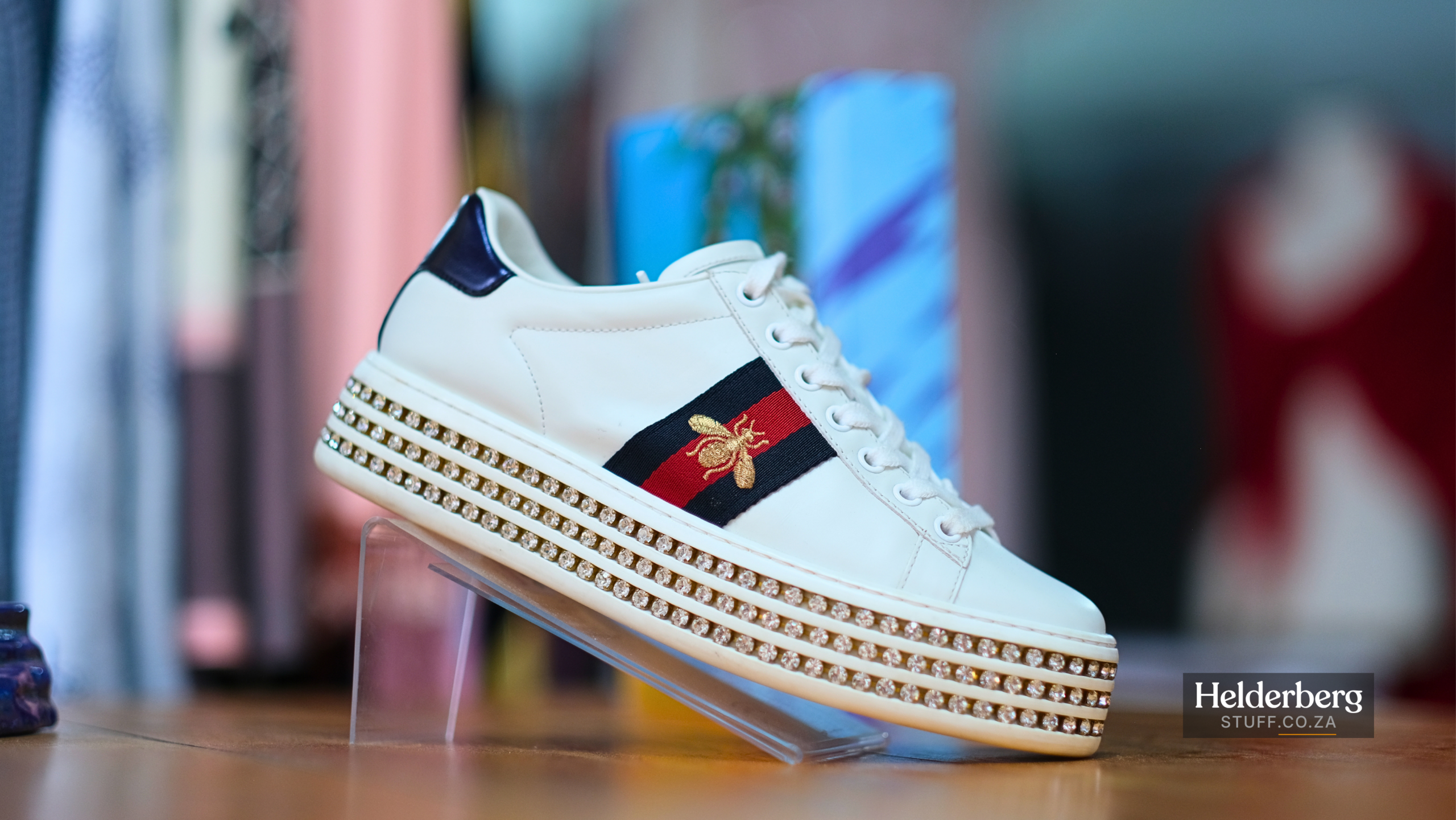
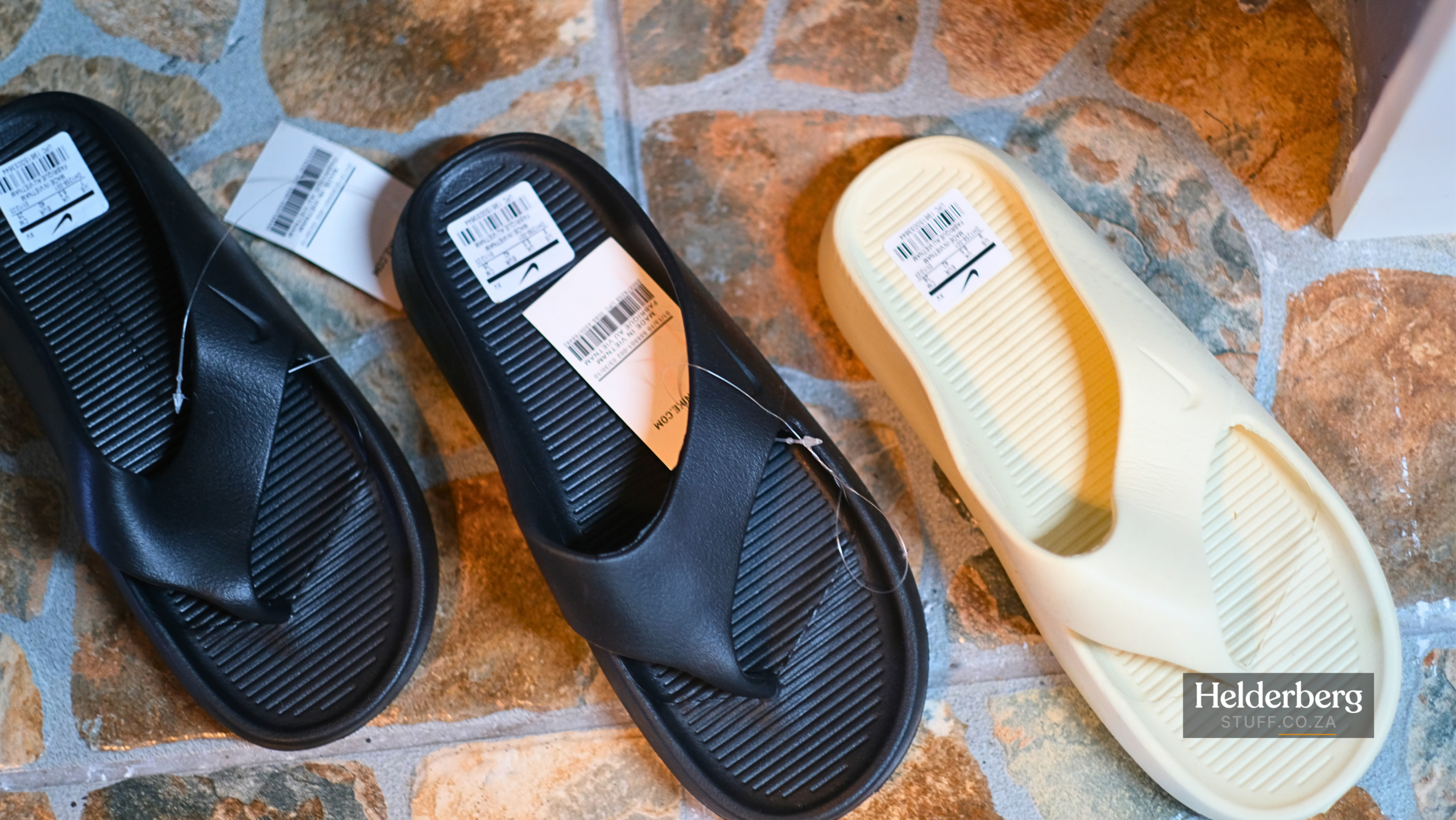
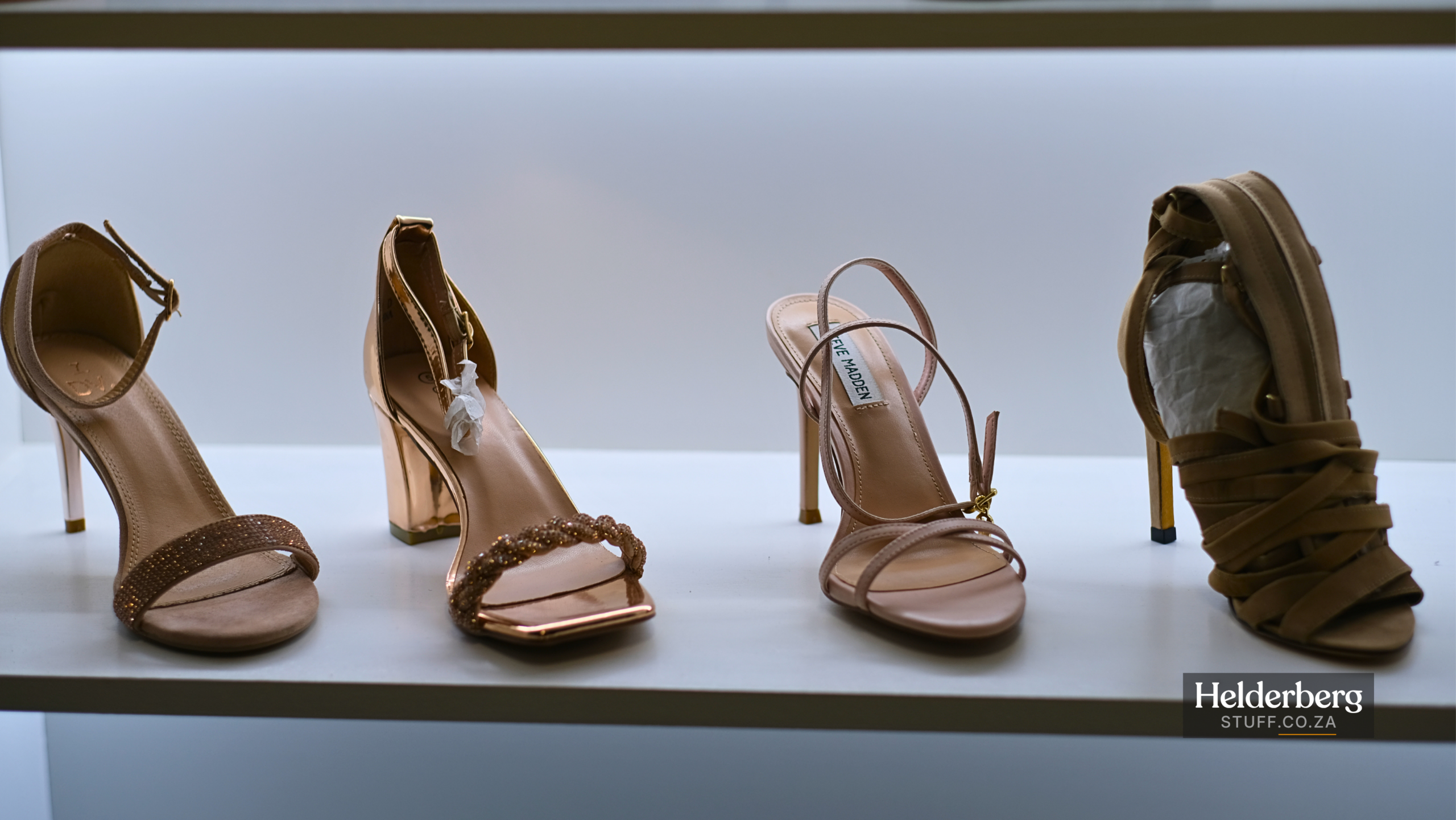
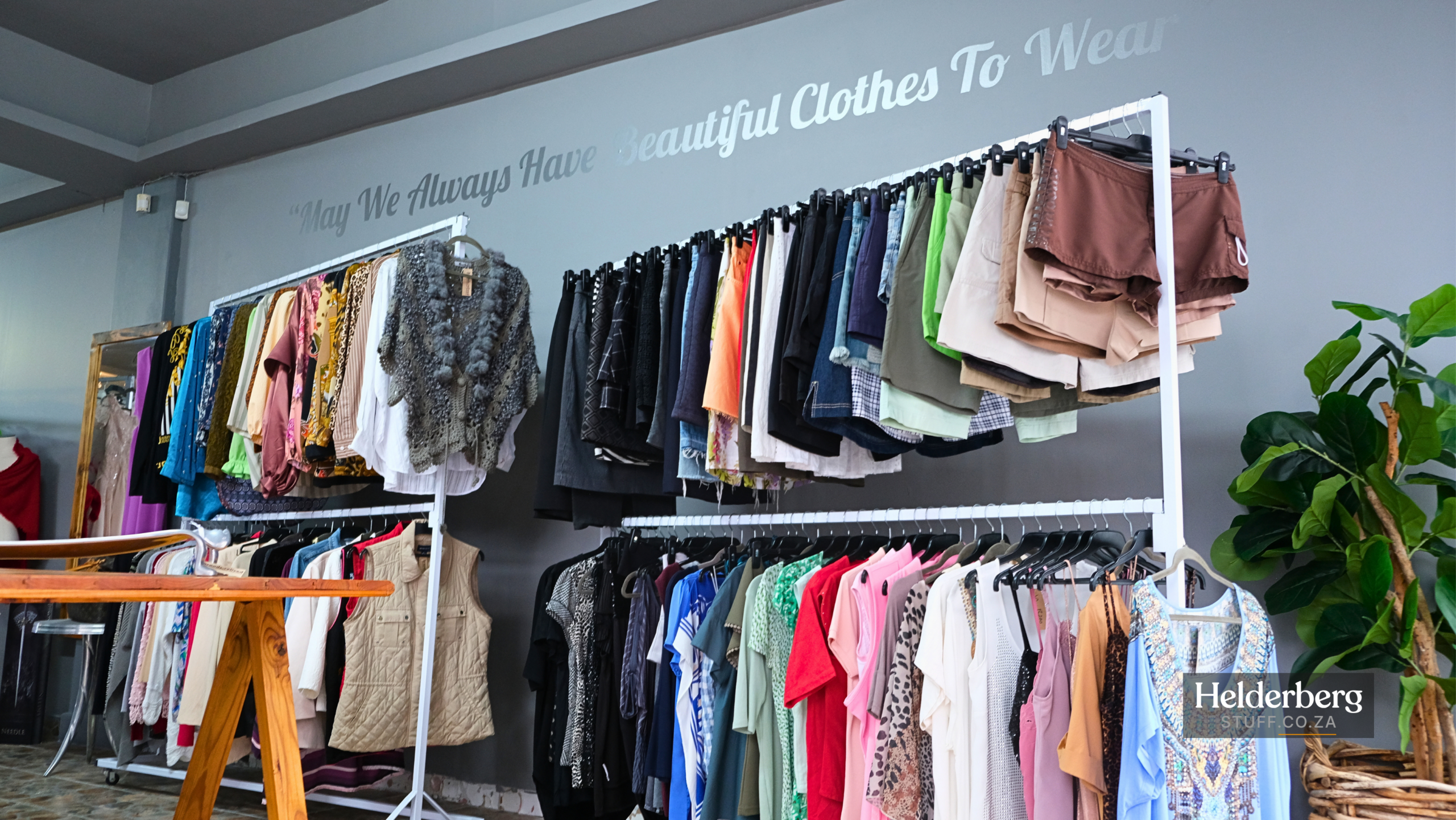
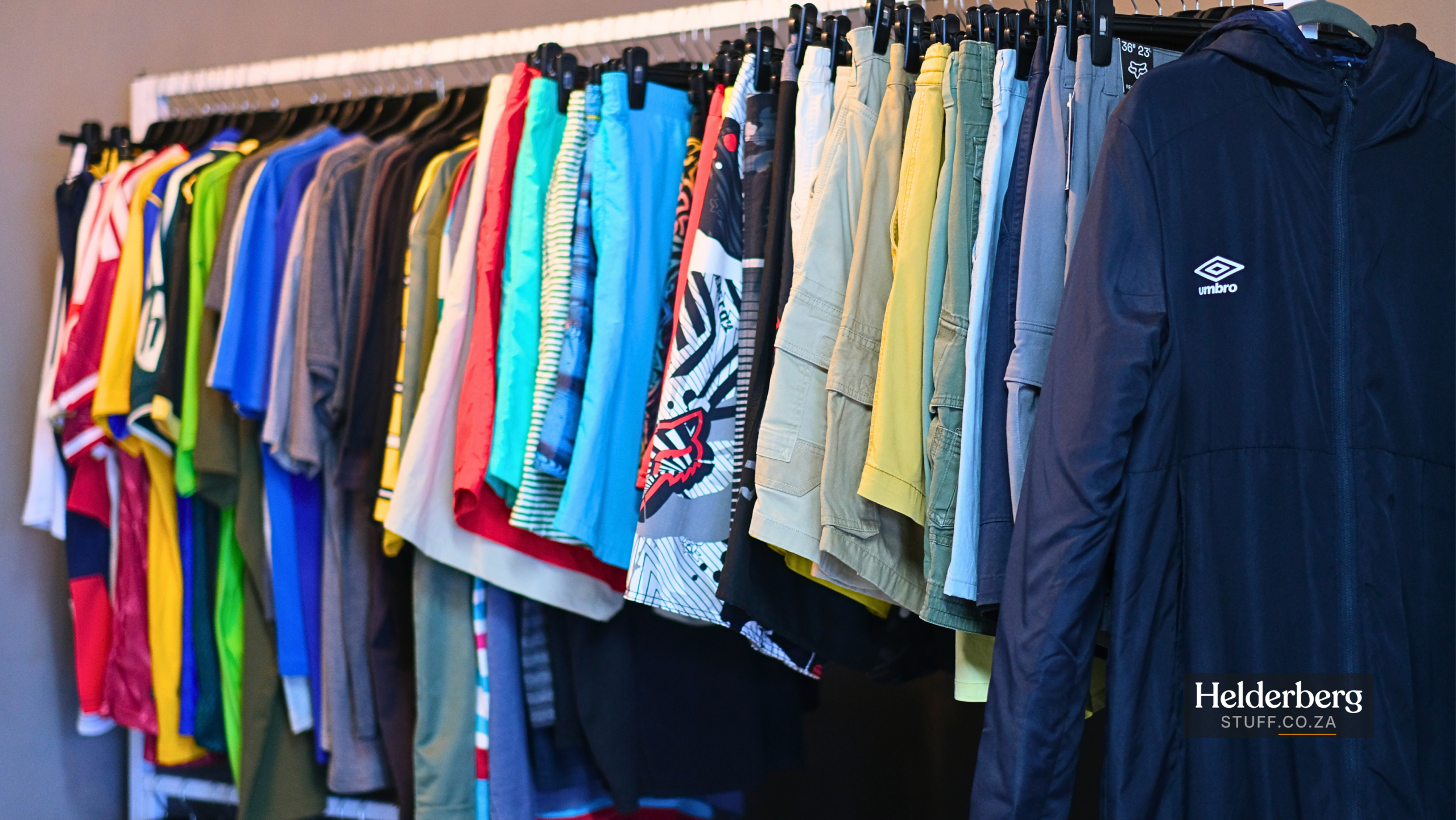
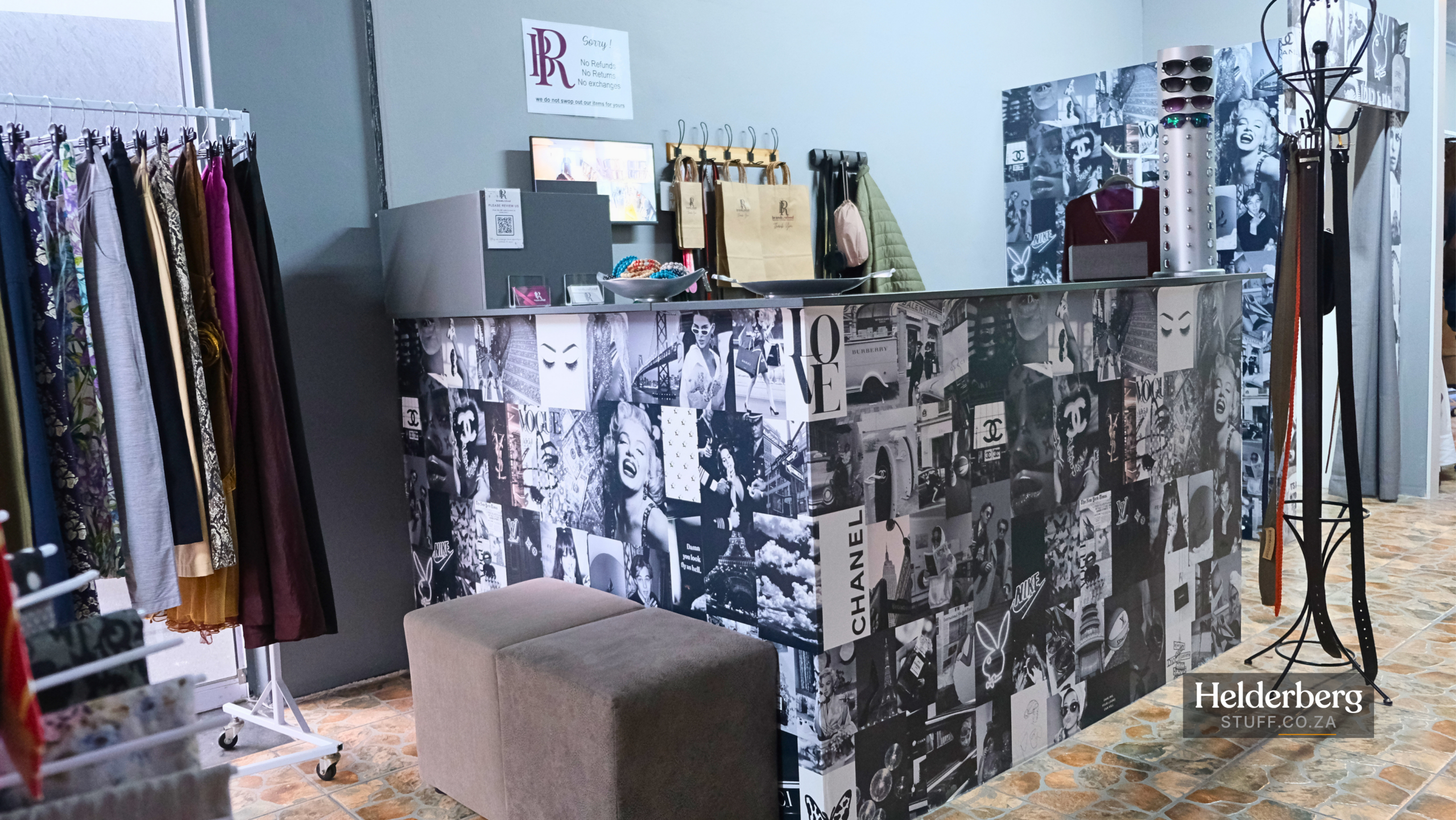
The clothes are carefully selected, washed, steamed and arranged by colour. There are familiar brands such as Woolworths, Country Road and Trenery, alongside Nike and much more expensive pieces from brands such as Gucci and Louis Vuitton.
Behind it all is Lee-Ann Sidwell, who has spent the past four years building the shop into her own little corner of Strand.
It started with a cupboard full of clothes
Lee-Ann came to Strand from Johannesburg about five and a half years ago. The business itself started almost by accident.
She had a large collection of clothes in Johannesburg and decided to bring them down and open a small pop-up shop in Strand simply to sell them. It was only meant to be temporary.
Instead, she sold almost everything within two months. “Everyone wanted more,” she told me.
That was when the idea changed. Rather than simply selling her own clothes, Lee-Ann began buying clothing from other people.
Over the years, she has built up relationships with people who spend time in Strand, including overseas visitors who return home and sell some of their better clothing before they leave.
She also receives stock from Australia through her sister, including brands and products that are not commonly found in South Africa.
This is not your usual thrift shop
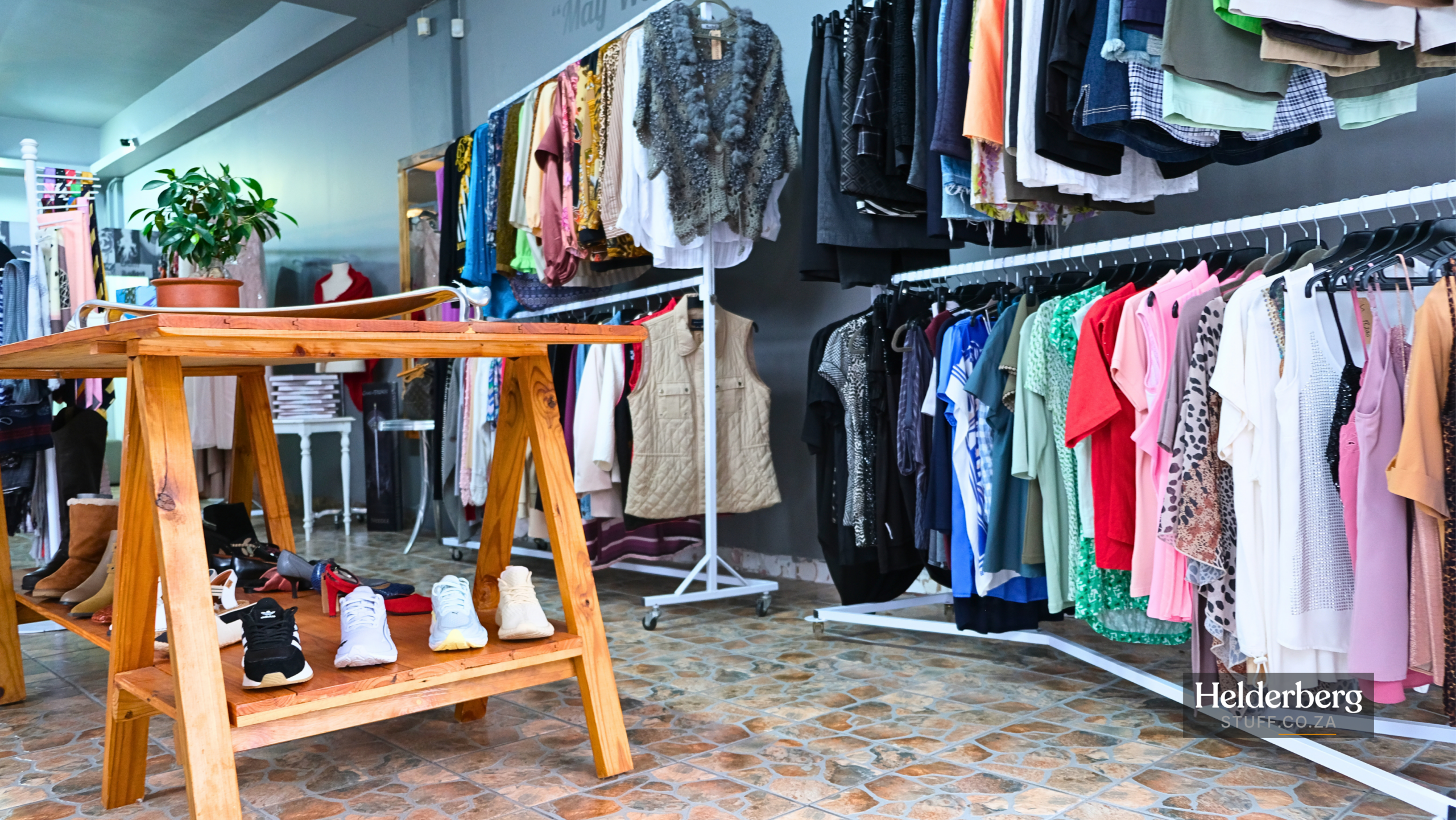
The difference becomes apparent almost immediately when you look around. Everything is clean. Everything is steamed. The rails are arranged by colour rather than simply grouped together by size or type, giving the small shop a surprisingly orderly feel.
That attention to detail is deliberate. When I looked around, it was difficult to get the usual second-hand-shop feeling. There was no stale smell and no sense that you were rummaging through somebody else’s unwanted clothes.
Customers have often commented to Lee-Ann that the clothing looks new.
Her response is simple: why shouldn’t second-hand clothing be presented like clothing in any other shop?
Even the shoes receive the same treatment. Sneakers are cleaned and sterilised before they are put out for sale, and anything sold has to meet her standards. “I like it to be clean,” she said.
The shop stocks branded clothing at an average price of around R300 an item, although the range goes considerably higher.
One Louis Vuitton bag, for example, was originally worth around R24,000. Lee-Ann eventually sold it for R8,000, but only after having it in the shop for more than a year.
That is one of the realities of selling high-end second-hand fashion in Strand. Having something valuable does not necessarily mean there will immediately be someone willing to buy it.
“You’ve got to wait for the right person to come along.”
Finding the right buyer
That perhaps explains why Brands Relived has developed into something more specialised than a conventional thrift store.
Lee-Ann describes it as high-end second-hand clothing, with brands starting at the likes of Woolworths, Country Road and Trenery and extending into international luxury labels.
She believes it is unusual to find this kind of dedicated high-end resale shop in Strand, where the other second-hand options tend to be charity shops.
But Strand is also a challenging place to sell expensive second-hand clothing. The shop’s average price may be around R300, but a luxury handbag costing thousands of rand requires a very different customer. And that customer does not necessarily walk through the door every day.
The online shopping problem
There is another challenge facing small retailers, and Lee-Ann sees it every day. Temu, Shein and the wider growth of online shopping have changed the way people buy clothing. For many customers, the attraction is simply the price and the endless stream of discounts and new products.
She believes this has made it increasingly difficult for smaller businesses to compete, even when the product they are selling is better made and designed to last longer.
The irony is that second-hand high-end clothing can offer an alternative to disposable fashion, but only if customers have enough money to make that choice.
And right now, many don’t.
“I’m in survival mode”
The shop has been open for about four years, and Lee-Ann says 2026 has been her most difficult year so far.
It is not simply about whether people like the clothes. People have to prioritise groceries, petrol, electricity and other necessities before they think about buying a second-hand designer handbag or a new outfit.
Winter is particularly difficult because Strand is seasonal. The summer brings visitors, including Europeans who can spend several months in the area. Winter is a very different story.
“The problem is that here, in winter, you do so badly that come summer, when you make your good money, it just goes to filling up all the holes in winter.”
When I asked her about continuing through the difficult period, she was blunt.
“I am. I’m a survivor. I’m in survival mode, I must be honest.”
She still believes in Strand
Despite all of that, Lee-Ann has no plans to move the shop.
People have suggested that she should take it to Somerset West or Cape Town, where there may be a larger market for the kind of clothing she sells.
But she has built something in Strand that is difficult to put a price on. Her home is here. Her friends are here. Her customers know where to find her. And she likes Strand.
She has watched the town change during the four years she has had the shop and believes it has improved, but she would like to see more variety in the independent businesses that occupy its streets.
She would like to see more small boutiques, curios and shops that offer something different. What she does not think Strand needs is another coffee shop or another real estate office.
Part of her frustration is the cost of commercial space. She told me that a neighbouring shop was being advertised at around R34,000 a month, making a prominent Beach Road location virtually impossible for a small independent retailer.
That, she believes, is part of the reason the same types of businesses keep appearing in the most visible spaces.
A shop built around people
There is another reason Lee-Ann resisted the pressure to move online. When everyone was telling her that she needed an e-commerce business, she deliberately chose the opposite approach. After COVID, she wanted a physical shop where people could come in, talk, browse and try things on. She eventually launched an online presence on Instagram earlier this year.
For Lee-Ann, there is still something different about the physical experience. You can touch the fabric. You can see the condition of something properly. You can try it on. You can talk to the person selling it.
And perhaps most importantly, you can discover something you were not actually looking for.
What happens to the clothes that don’t sell?
There is also a quieter side to the business that I found particularly interesting. When people bring clothing in, Lee-Ann does not simply accept everything. She selects what she believes is suitable for the shop.
If unwanted items are left behind and are not collected, they do not simply end up in the bin. Some are donated to charities, including Helderberg Animal Welfare and Helderberg Oceans Awareness, which can sell the clothing to raise funds.
She showed me jackets that had been given to her from an overrun of stock. They were new, warm and being sold for just R200.
If they do not sell, she plans to reduce them to R150. If they still do not move, she will donate them to a school or another organisation where they can be used.
That tells you something about the way she runs the shop. The clothes may be second-hand, but there is very little that feels disposable about the way they are treated.
Still here, still trying
Lee-Ann told me that this started as a little hobby and gradually became a business. These days, she is in the shop herself and has chosen not to open on Sundays because she needs that one day for herself.
“I like to be here all the time,” she said. “I think if it’s your own business, you need to be hands-on.”
There is something fitting about that when you walk around Brands Relived on. The shop has clearly been shaped by the person running it, from the way the clothes are arranged to the care taken over every item that goes onto the rail.
I came in expecting to find a second-hand clothing shop. I left having discovered something rather more personal: a small Strand business that grew out of a suitcase full of clothes, found its home on Anderson Street and has survived long enough to become part of the neighbourhood.
For anyone who has never stepped inside, Brands Relived on is one of those little Strand discoveries that is easy to miss until you know it is there.